

A manager I once knew could clear a room without saying a word. Not in the way that suggests fear or avoidance, but in the way that made everyone aware that something more serious was now underway. She held a mid-level role and did not have the kind of positional power that commands automatic deference. What she had was something considerably more durable than a title: the accumulated weight of always meaning what she said and always doing what she committed to. People leaned toward her in meetings not because they had to but because they had learned, over time, that leaning in her direction was worth it.
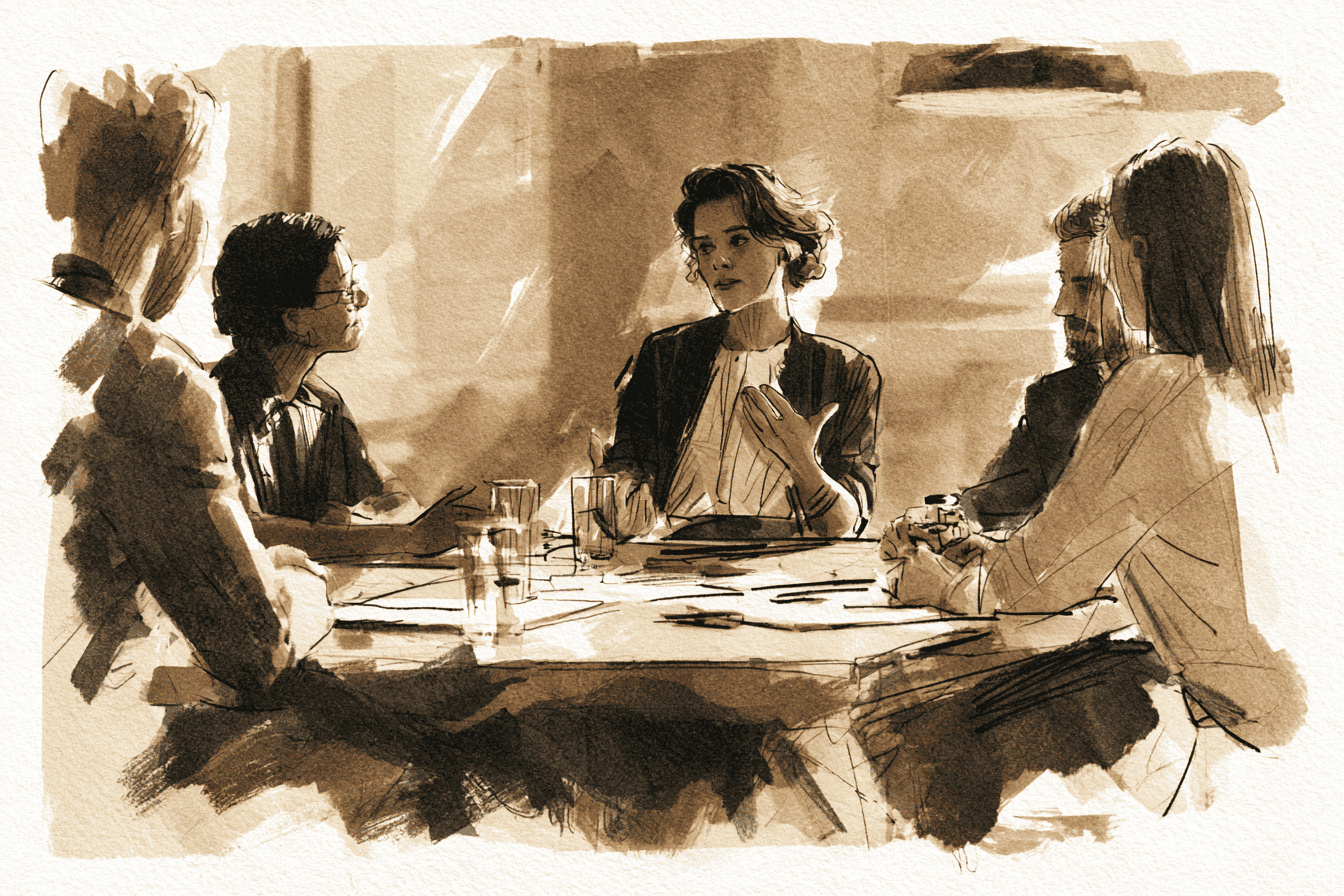
This is the kind of leadership that most leadership literature describes in theory but rarely explains in practice. The literature tends to focus on the visible behaviors: communicate clearly, listen actively, give feedback well, set a compelling vision. These are not wrong, but they describe the surface of something that runs deeper. The leaders who actually move people, who build the kind of influence that does not evaporate the moment their authority is removed, are doing something more fundamental. They are building trust slowly, through consistency between what they say and what they do and then living inside that consistency long enough for others to notice and depend on it.
Influence built on authority lasts as long as the authority does. Influence built on trust outlasts every title.
Research in organizational behavior consistently finds that positional authority is one of the weakest predictors of actual influence in team settings. A 2019 study published in the Journal of Applied Psychology found that employees rated their most influential colleagues not by seniority or title but by perceived competence, reliability, and behavioral integrity — the degree to which a person’s actions matched their stated values over time. The title opened the door. The behavior determined whether people walked through it willingly.
Trust Is Built in Small Moments
The clearest path to influence without authority runs through the smallest interactions, not the largest ones. Leadership conversations tend to focus on the big moments: the vision speech, the difficult feedback conversation, the crisis that requires decisive action. These matter, but they are not where trust is primarily built. Trust accumulates in the hundred ordinary exchanges that happen before any of those moments arrive. The meeting where you said you would follow up and then actually did. The commitment made casually that you still kept because you made it. The acknowledgment of someone else’s contribution when no one was watching to see whether you would.
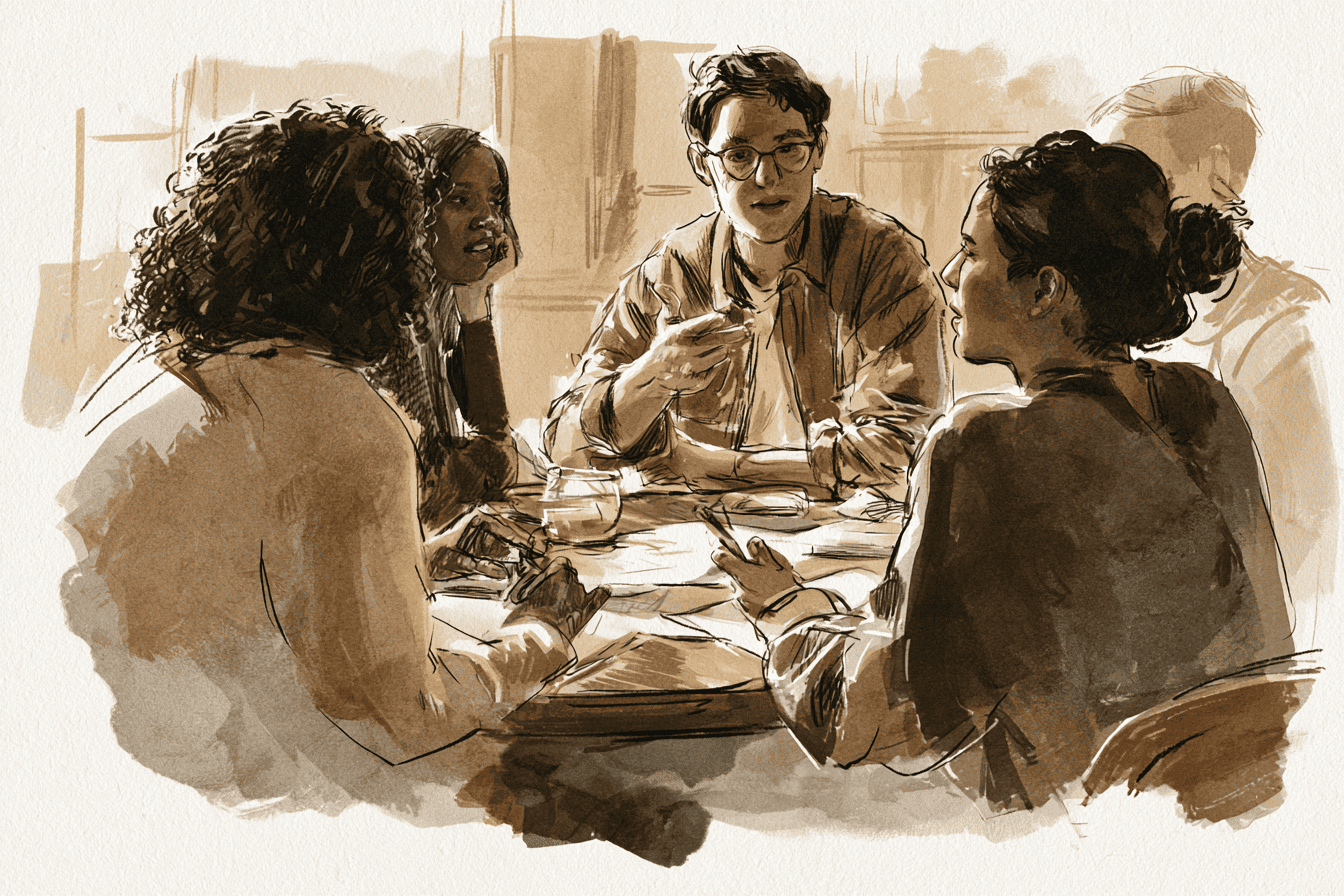
These small moments compound. Each one adds to or subtracts from the account of credibility that determines how much weight your words carry when something important is at stake. The person whose account is full walks into a difficult conversation with resources the room can feel even if it cannot name them. The person whose account is depleted by small inconsistencies walks in carrying a deficit that no quality of argument can fully overcome. People are paying attention to the small things whether or not you think they are, and the ledger they keep is the one that determines your actual influence regardless of what your title says.
Psychologist Robert Cialdini’s research on influence identifies consistency as one of the six primary principles through which people affect the behavior of others. His work demonstrates that humans are strongly motivated to behave consistently with their prior commitments and stated values. Leaders who model this consistency create a social environment in which others feel the pull toward consistency as well. The team mirrors what the leader embeds in the culture through their own behavior, which is why the influence of a genuinely consistent leader extends far beyond what they can see or directly manage.
Presence Changes the Room
There is a quality in certain leaders that is difficult to quantify but immediately recognizable in practice. It is the quality of full attention, of being genuinely present in an interaction rather than partially somewhere else. In an era of constant partial attention, where the phone is always near and the next meeting is always visible on the calendar, the leader who gives someone their complete focus creates an experience that is rarer and more memorable than it should be. People remember being fully heard. They return to the person who gave them that experience. They become more likely to listen carefully in return.
This kind of presence is not a soft skill in the diminishing sense that term sometimes carries. It is a discipline, and it requires active choice in every interaction where the easier option is to be partially there. The leader who puts the phone face down and stays in the conversation, who resists the pull to mentally move on while the current person is still speaking, who asks one more question rather than filling the silence with their own voice, earns something in return. The cost is the comfort of distraction. The return is the quality of relationship that makes influence possible without hierarchy.
The leader who listens completely earns the right to be heard completely. Presence is not passive. It is the most active form of respect available.
A 2021 study from the Center for Creative Leadership found that leaders identified as most effective by their teams shared one characteristic more than any other: their direct reports felt genuinely heard in one-on-one interactions. Not agreed with, not given everything they asked for, but heard. The distinction matters because it reveals that influence is not primarily about outcomes. It is about the quality of the process through which outcomes are reached. People accept difficult decisions more readily from leaders who made them feel genuinely considered along the way.
Influence Without Agenda
The most counterproductive form of influence is the kind that announces itself. Leaders who make their influence attempts visible, who frame every interaction as an opportunity to persuade, who approach conversations with the primary goal of moving someone to a predetermined conclusion, tend to generate exactly the resistance they are trying to overcome. People sense an agenda before it is stated and sensing it activates a defensive posture that makes them less rather than more open to whatever the leader is offering.
The leaders who influence most effectively are often the ones who appear least interested in influencing. They share their perspective clearly and then genuinely release the outcome. They ask questions not to guide someone toward a conclusion they have already reached but because they actually want to understand what the other person thinks. They change their mind when presented with good information, which signals that the conversation is a real exchange rather than a performance. This posture disarms the defensive response that agenda-laden influence triggers and creates the kind of open exchange in which genuine persuasion becomes possible.
This is not naivety about the nature of organizational life. It is a strategic understanding of how influence actually works over time. The leader who approaches each interaction as a real exchange, who sometimes walks away having changed their own mind, who demonstrates through behavior that they care about the quality of the decision more than the preservation of their initial position, builds something no positional authority can buy: the trust of people who have seen them put the outcome above their own ego. That trust is the foundation of lasting influence, and it cannot be manufactured. It can only be earned, one interaction at a time.

The manager I described at the beginning of this article eventually moved into a senior role, and the influence she carried there was the same influence she had built long before the title arrived. The title added access. It did not add credibility, because the credibility was already there. Leadership that depends on the title for its force is fragile in exactly the ways that leadership built on trust is not. Build the trust first. The rest tends to follow.