

The usual way to start a habit is to start big. An hour of exercise. Thirty pages a night. A full morning routine assembled from a dozen good intentions. The size feels serious, and seriousness feels like commitment, so the big start carries a kind of moral weight, as though wanting the change badly enough should be sufficient to sustain it. Then a hard day arrives, the kind with no spare energy in it, and the big habit is the first thing to go. It goes not because you lack character but because a big habit needs motivation to run, and a hard day is exactly when motivation is gone.
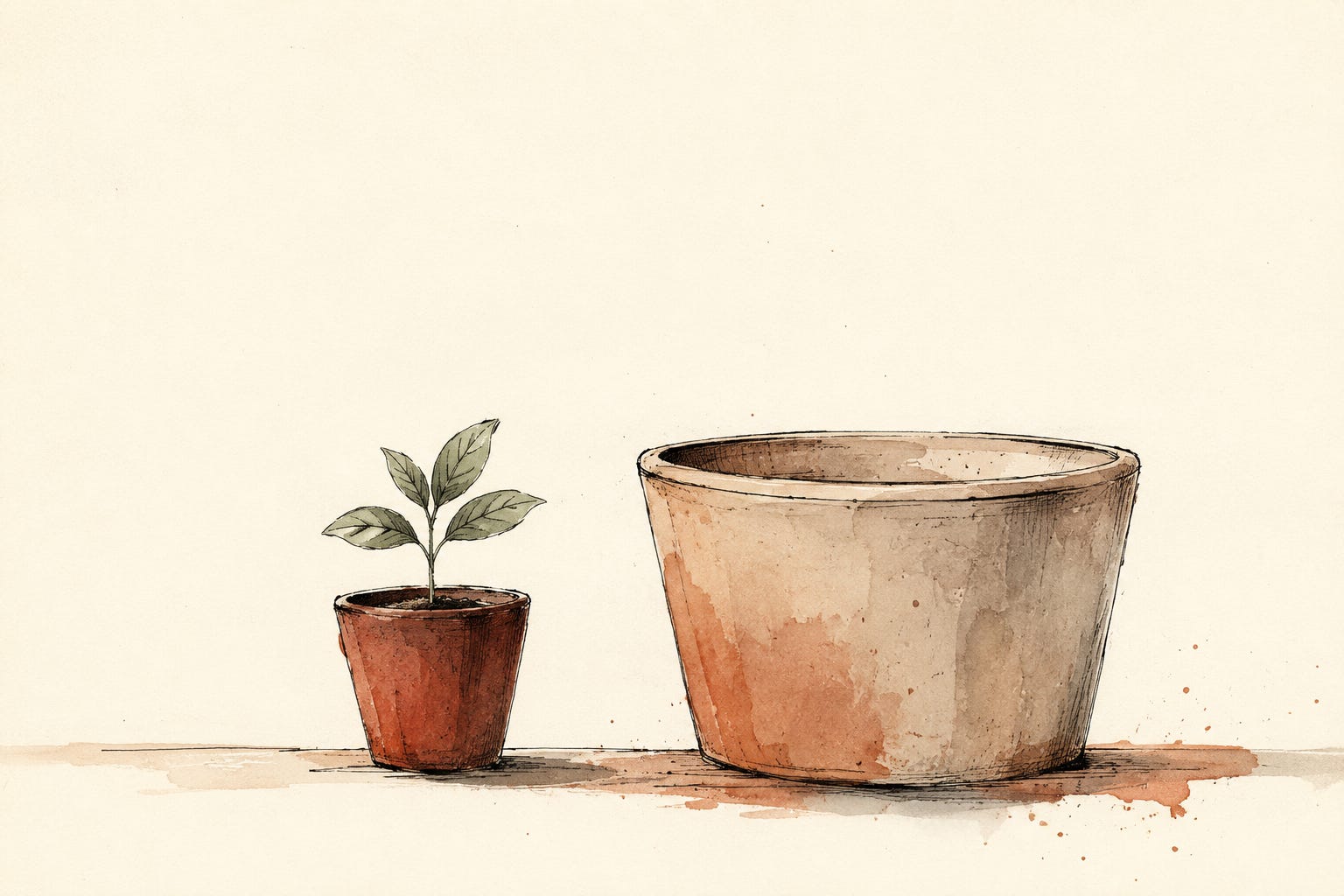
BJ Fogg, at Stanford University, built a method on the opposite instinct. Make the behavior so small that it requires almost no motivation to begin, small enough to do on your worst day. Not thirty pages, one page. Not an hour of exercise, two push ups. Not a full meditation practice, three slow breaths. The point is not the size of the action, which looks almost trivial written down. The point is that a behavior small enough to survive a bad day actually gets repeated, and repetition is the only thing that writes a behavior into the automatic layer of the mind, the place where it eventually runs without needing motivation at all.
This inverts how most people think about discipline. They believe the strong version of a habit is the ambitious one, and the small version is a compromise. The reverse is true. The ambitious habit is fragile because it depends on a resource that disappears under pressure. The tiny habit is durable because it asks for almost nothing and therefore keeps running on the exact days that break the ambitious one. Durability, not intensity, is what turns a behavior into a permanent part of a life, and durability comes from smallness.
There is a second gain hidden in the small start, and it may matter more than the first. Every day you keep the tiny habit, you cast a small vote for a version of yourself who follows through. Every day you abandon the ambitious one, you cast the opposite vote, and those votes accumulate into a belief about the kind of person you are. The tiny habit wins that election quietly, day after day, until you begin to trust yourself again. The ambitious habit, broken by the second week, teaches the opposite lesson and leaves you a little less willing to try the next thing. Smallness protects not only the behavior but your confidence in your own word.
So choose one habit you have failed to keep and shrink it past the point of feeling worthwhile. Make it so small it seems almost pointless, then do only that, every day, no matter what else the day contains. The size can grow later on its own once the loop is built and the behavior no longer requires a decision. What matters now is only that it repeats. A tiny habit kept daily beats an ambitious one abandoned by Friday, every single time, because the tiny one is still there next month, building quietly while the ambitious one has already become another reason to doubt yourself.
See you next time,
The BSJ Team