

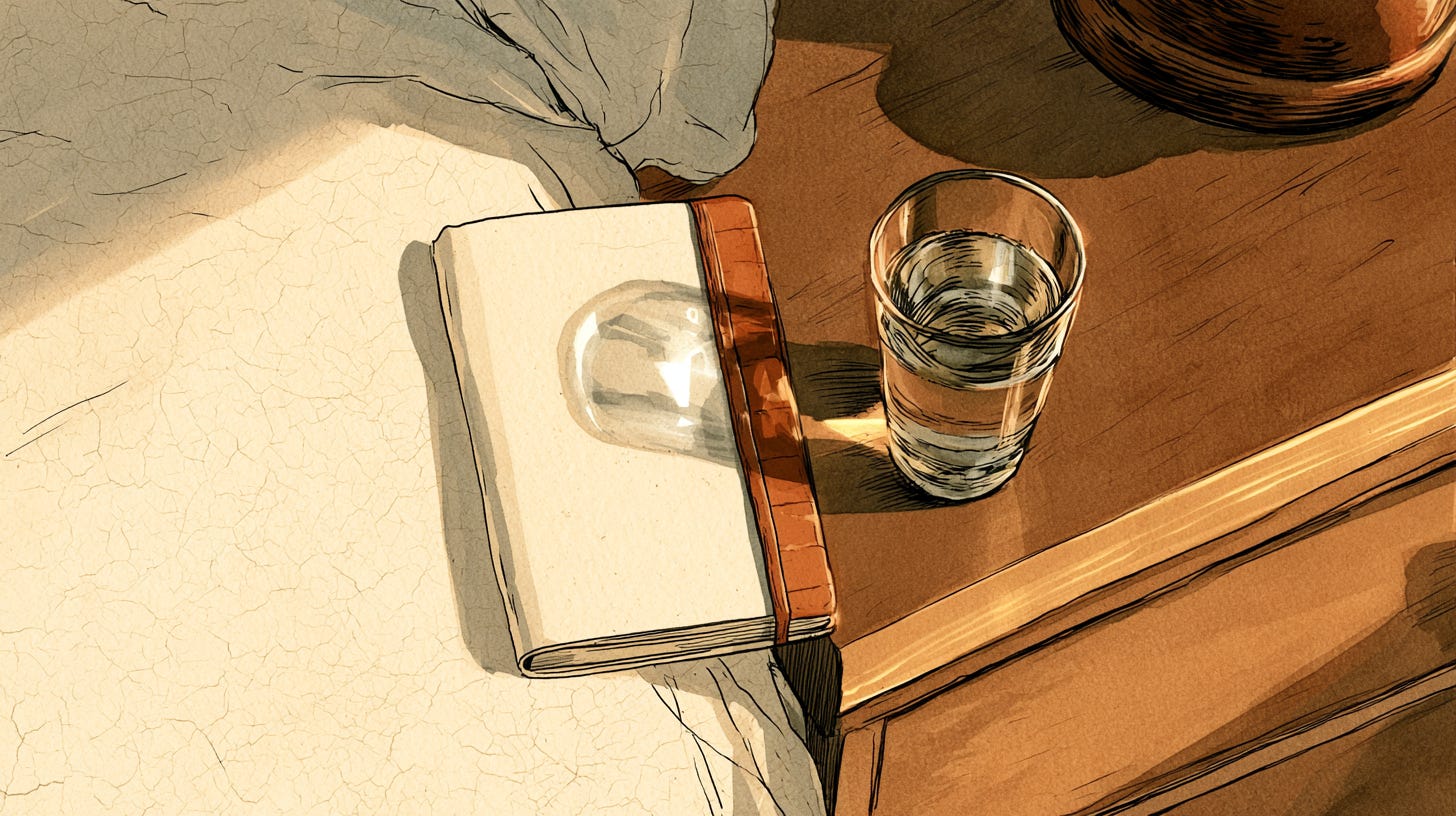
Last Tuesday I woke up, grabbed my phone off the nightstand, and twenty-five minutes later I was still lying there, scrolling through a debate about a football trade nobody involved in it will remember by Christmas. I had meant to go for a run. The shoes were in the closet, laces still tied from the last time I wore them, which tells you everything about how long ago that was.
I have run enough mornings and skipped enough mornings to notice the actual variable. It is never how I feel when I wake up. Some days I feel great and skip anyway. Some days I feel like garbage and go. The thing that predicts it, almost every time, is whether the shoes are already sitting by the door or buried in a closet behind a box of old cables I keep meaning to throw out.
BJ Fogg spent years at Stanford studying exactly this kind of gap, and his behavior model boils it down to something that sounds almost too simple to be useful. A behavior happens when motivation, ability, and a prompt all show up at once. People obsess over the motivation part because it feels like the moral one, the part that says something about your character. Fogg’s research points somewhere less flattering and more practical. Motivation is unreliable by design. It goes up; it goes down; it has nothing to do with your calendar. Ability is the part you can actually engineer, and ability mostly comes down to how much stands between you and the thing you are trying to do.
Here is where the two minutes come in. Right after you wake up, your judgment is at its worst and your resistance to friction is at its lowest. So whatever tiny obstacles exist in that window end up deciding more than they should. A phone within arm’s reach. A closed journal in a drawer. Running shoes buried under cables. None of these feel like a big deal on their own. Add them up at exactly the moment you are least equipped to push through them, and the day gets decided before you are even fully awake.
I want to be careful here, because the easy move is to turn this into a fourteen-step morning routine, and those things fall apart almost immediately. Every extra step is one more place friction can creep back in. The better move is smaller and less impressive-sounding. Pick the one behavior that shapes the rest of your day more than anything else, and strip away whatever stands between you and that single thing in the first two minutes.
For me, it turned out to be the shoes. For someone else it might be water instead of coffee, or fifteen minutes without the phone, or just sitting in silence before the noise of the day starts. The specific behavior does not matter much. What matters is cutting the friction down until doing the thing takes almost no effort to start.
The One Thing to Do Today
Tonight, before bed, remove one piece of friction sitting between you and tomorrow’s first good decision. Move the charger out of the bedroom. Set the coffee maker to brew on its own. Put the shoes by the door where you will trip over them if you try to ignore them.
Try it once and see what actually changes. The proof usually shows up on some forgettable Tuesday, not in the theory.
See you next time,
The BSJ Team