

I noticed I was three sentences into a random thought last week. I did not know how I got there. I must have been planning out a conversation in my head and accidentally wrote it down. My document was still open, and my hands were still in a writing position.
The thing that surprised me the most was how un-surprised I was that it happened. I hadn’t really stopped writing. It just sort of happened. It usually takes a lot of focus to stop writing and switch to thinking about other things, but in this case, it happened without my knowledge. I only realized what had happened a few sentences into the shift.

One of my first thought processes was that I must not have the self-discipline I need to be more productive, so I need to create a better plan for my mornings. However, this isn’t the case for most people. Research shows that most people are constantly drifting and thinking about things other than what they’re doing. So, this shift isn’t bad. Understanding this helped change things for the better.
Harvard psychologists Killingsworth and Gilbert designed an iPhone app that asked participants randomized online surveys to assess their activities and PANs (understated experiences of the mind). The researchers contacted over 2,000 individuals daily. Across a quarter million data points, the pattern held with remarkable consistency. People reported thinking about something other than their current activity 46.9% of the time, essentially half of every waking hour spent somewhere other than the actual moment.
Something worth noting about this study is how consistent the results were. Almost every activity that was measured showed this sort of wandering of the mind. Researchers consider many of the activities to be enjoyable. People had this sort of mental wandering while carrying on conversations and while participating in exercise. This study shows us that our minds can wander even during activities that we view as more enjoyable.
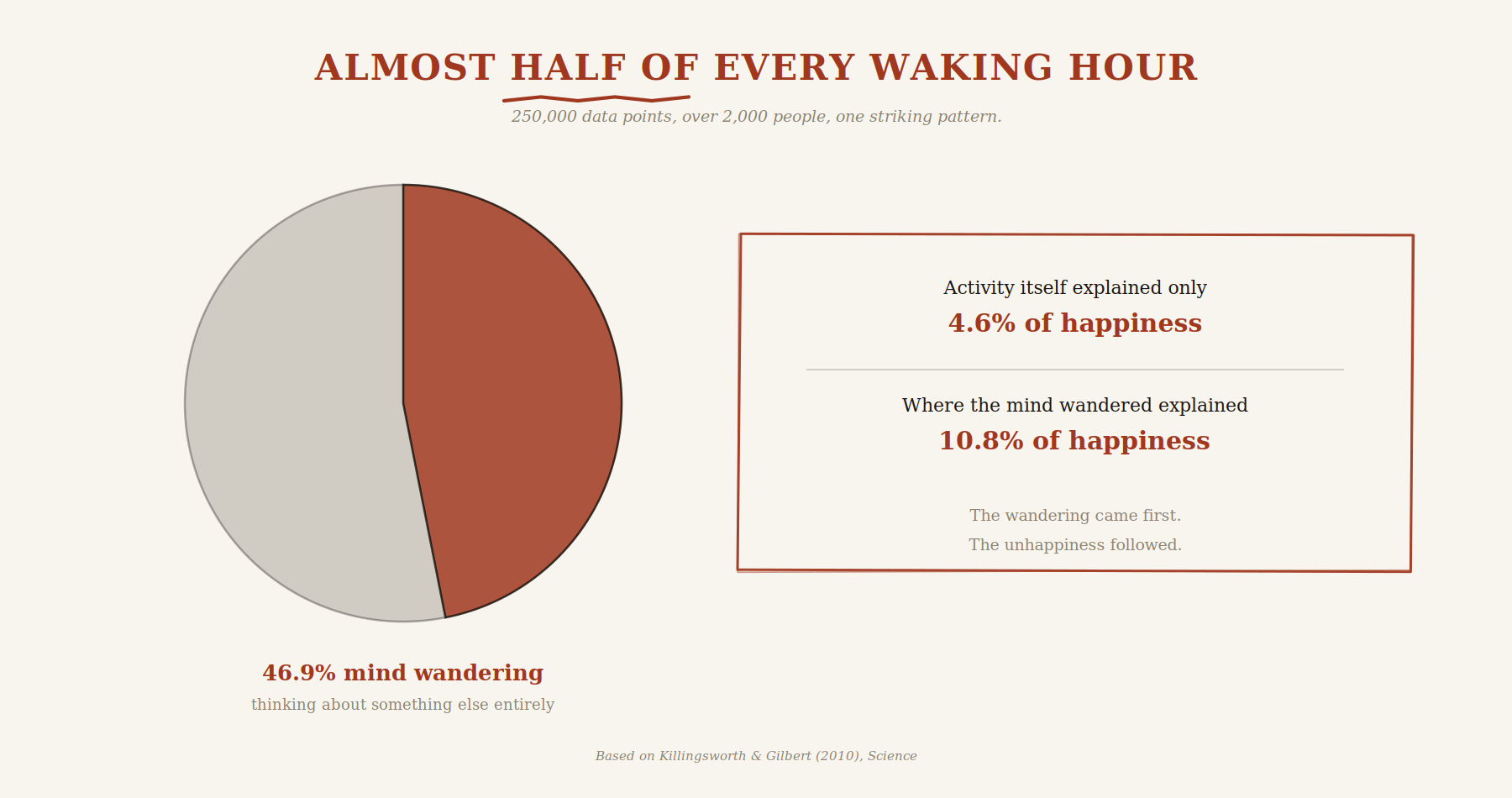
Figure 1. Almost half of every waking hour, and what it actually costs.
A more useful finding sat inside that number rather than beside it. Killingsworth and Gilbert found that what a person was thinking about predicted his happiness better than what he was actually doing, accounting for roughly 10.8% of the variation in reported happiness compared with only 4.6% explained by the activity itself. Their analysis showed that people first wandered, and only then became unhappy. They presented various examples where mind wandering was the reason a person became unhappy, and not the other way around.
This specifically addresses my paragraph drift. It has never been the case that a stalling sentence has distracted my wandering mind. While it wandered, it slowly but surely robbed something from me.
There is data that supports and explains the increase in drift. Gloria Mark, an informatics professor, researched the average time an individual concentrated on a particular task and found it to be about two and a half minutes in 2004. Since then, the time has decreased. Mark and other researchers have attributed this decrease to the proliferation of digital media and how it has altered how the mind concentrates.
A different research strand examines the reasons people can increasingly drift. Gloria Mark, a professor at UC Irvine, has researched how long people look at a screen before becoming distracted and moving on to something else since 2004. She found the average in 2004 was approximately 2.5 minutes. Her more recent measurements put that figure at roughly 47 seconds. The environment itself has been quietly shrinking the runway attention gets before something else pulls it away.
Mark’s number holds value in the aspects it does not measure. For example, it has nothing to do with the brain’s capacity for concentration or how long a person can focus before becoming distracted and unfocused, which can differ from person to person. Additionally, this claim does not refer to a biological limitation that a person reaches after a certain period. Mark’s number measures how long, in a digital environment, a person concentrates before being distracted. Now, more than ever, there are many distractions. So, perhaps the ceiling hasn’t actually fallen, but the runway has become more congested.
Mark’s research adds a second cost that makes the short attention window even more expensive than it looks. Once attention gets pulled away by an interruption, actual or self-generated, it takes an average of about 23 minutes to fully return to the same depth of focus. A string of 47-second glances does not just fragment a morning. Each one appears to carry a recovery tax that a person rarely notices paying, since the return itself feels immediate even when the actual depth of engagement lags well behind it.
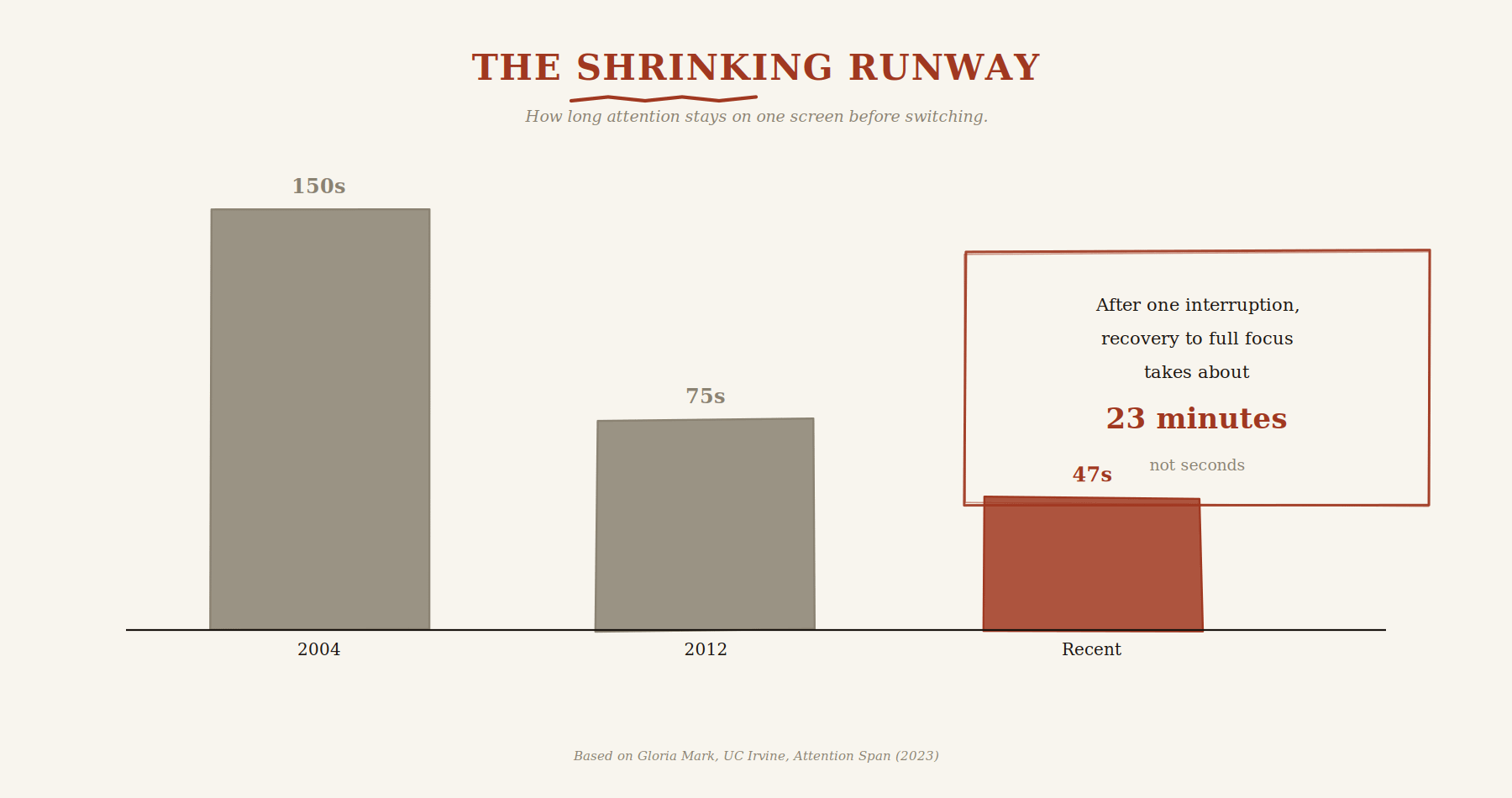
Figure 2. The runway has been shrinking for twenty years
Considered together, the findings suggest a clear potential response. As Killingsworth and Gilbert have shown, it is the wandering that comes at a cost. It is likely too late to recover a missing sentence, or an entire stolen minute. Based on Mark’s research, it is the environment that diminishes the distance before the drift. Therefore, we need to ring-fence a period from distractions, including those caused by ourselves, and make sure we do not waste time.
The One Thing to Do Today
Choose one task and do it mindfully today. That means putting the thing most likely to steal your focus in another part of the room, whether that’s your phone, your computer, your notification center, etc. When you notice yourself drifting focus to somewhere else, say it out loud, and then figure out where you were, rather than starting from the top of the paragraph.